

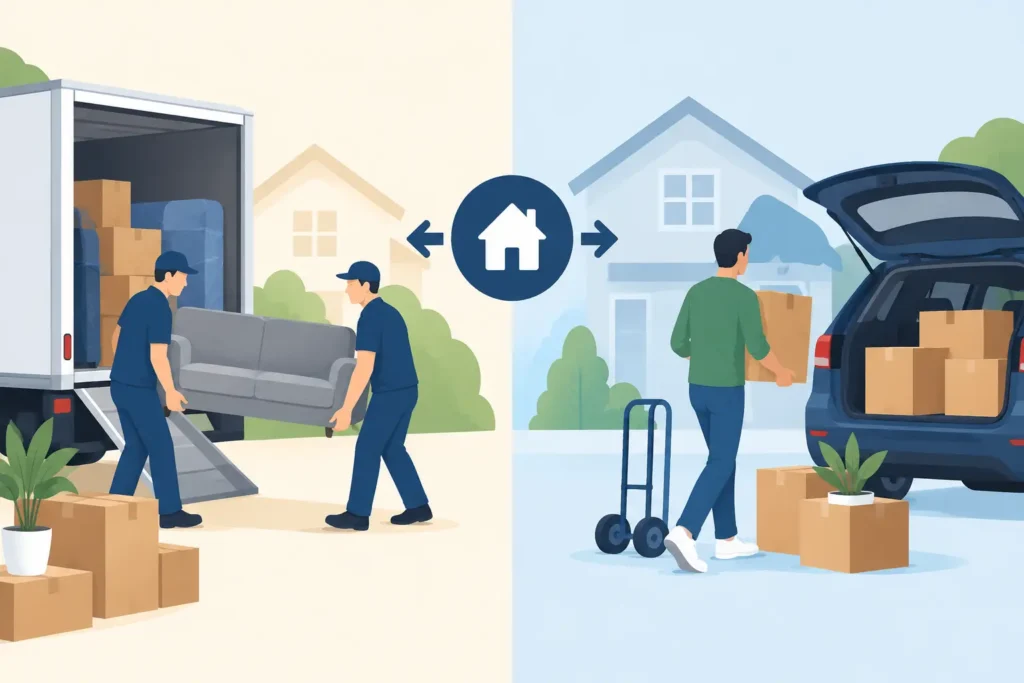
A move can look affordable on paper until the truck is late, the elevator reservation is running out, and a heavy dresser will not fit around the stairwell. When weighing full service movers vs DIY, the real decision is not simply whether to pay for labor. It is whether you have the time, equipment, help, and margin for error to manage every part of the move yourself.
For some Chicago-area renters, a DIY move is a practical way to handle a small studio with flexible timing. For families, busy professionals, seniors, and businesses facing a fixed deadline, professional moving support can protect far more than a weekend. It can protect your schedule, your belongings, and your peace of mind.
Full Service Movers vs DIY: What You Are Actually Comparing
A DIY move means you coordinate the entire process. You source boxes and supplies, pack every room, reserve a truck, recruit helpers, load, drive, unload, return the vehicle, and handle any surprises along the way. You may save on labor, but you take on the operational work and the risk.
Full-service moving is a customized service that can cover as much or as little as you need. Depending on your plan, trained movers can provide packing materials, carefully pack your belongings, disassemble furniture, load the truck, transport everything, unload, reassemble, unpack, and remove used packing materials. Storage and reusable moving-bin rentals may also fit into the plan when your dates do not line up perfectly.
The best choice depends on the size and complexity of your move. A one-bedroom apartment moving a few blocks is very different from a four-bedroom household moving to the North Shore, a cross-country relocation, or an office move that must be completed overnight.
The True Cost of a DIY Move
DIY moving can be less expensive when the move is small, simple, and well supported. If you already have a capable vehicle, a few reliable helpers, and minimal furniture, paying only for fuel and supplies may make sense.
But the truck rental is rarely the whole cost. Add boxes, tape, mattress bags, furniture pads, dollies, fuel, mileage, tolls, parking, insurance coverage, and possible late-return fees. In Chicago, you may also need to account for loading-zone rules, building move deposits, elevator reservations, and parking restrictions. A move that begins with a low truck-rental rate can quickly become a much larger bill.
There is also the cost of your own time. Packing an average home often takes much longer than people expect, especially when closets, kitchens, storage areas, and fragile items are involved. If you are taking unpaid time off, arranging childcare, or losing business hours, those costs belong in the comparison too.
A professional quote gives you a clearer starting point. It lets you compare the price of managing the project yourself against a defined plan with trained labor, equipment, and support built in.
Time and Physical Work Matter More Than Most People Expect
Moving day is physical work performed under a deadline. Carrying sofas down narrow stairs, securing a truck load, moving appliances, and lifting boxes for hours can cause injuries even when everyone means well. The risk rises with heavy furniture, walk-up apartments, bad weather, long hallways, and tight city parking.
Professional crews move homes and businesses every day. They know how to protect floors, wrap furniture, use dollies safely, navigate stairs, and load a truck so items are less likely to shift during transport. That experience helps the move stay fast without treating your belongings carelessly.
A DIY move can also strain relationships. Friends may be willing to help, but they may arrive late, leave early, or be uncomfortable lifting heavy items. When one person cancels, the entire plan can change. Paying for professional help replaces uncertainty with a team that is scheduled to be there and ready to work.
Packing Is Often the Deciding Factor
Packing is where many DIY moves become stressful. It is easy to underestimate the amount of material needed or leave fragile items until the final night. Poorly packed boxes can crush, open, or shift in transit. Glassware, artwork, electronics, mirrors, and sentimental belongings need more than a few sheets of newspaper.
Professional packers use the right materials and methods for different items. They can protect fragile pieces, label boxes for easier unloading, and prepare furniture for transport. Full packing is useful when time is tight, but partial packing can be just as valuable. You might pack clothing and books yourself while leaving the kitchen, artwork, and delicate items to trained specialists.
This is one reason a customized move plan matters. You do not have to choose between doing everything yourself and paying for every service available. You can keep control of the parts you want to handle while getting help where mistakes would be costly.
When DIY Moving Makes Sense
DIY is often a reasonable choice when you have a genuinely small move, a short distance to travel, and plenty of flexibility. It can work well for someone moving a few boxes, a bed, and basic furniture from one accessible apartment to another with no major time pressure.
It is also a better fit when you have experienced help available, can safely lift what you own, and have enough time to pack and clean without rushing. The key is being honest about the scope. A small move is not simply a move with fewer rooms. Stairs, parking, oversized furniture, and tight building rules can turn a studio relocation into a complicated job.
If you choose DIY, reserve your truck early, confirm building requirements, measure large furniture and doorways, and build extra time into the day. Do not make your schedule depend on every step going perfectly.
When Full-Service Movers Are Worth It
Professional movers are usually the stronger value when the move involves a family home, multiple bedrooms, heavy or fragile belongings, a long-distance destination, or a fixed date. They are also a smart choice when you are moving during a busy season, coordinating storage, handling an estate, or relocating a business that cannot afford extended downtime.
For commercial moves, the value is especially clear. Desks, electronics, files, inventory, and specialized equipment need organized handling so employees can get back to work quickly. A professional team can build the move around your operating hours, including evening or weekend scheduling when available.
Insurance and accountability also matter. With a DIY move, damage may leave you sorting through rental coverage or relying on a friend’s personal insurance. With a fully insured moving provider, you have a professional team responsible for careful handling and clear communication from planning through delivery.
Chicago Packers and Movers helps customers build move plans around their property size, timing, packing needs, storage needs, and destination. That flexibility is useful when you need full support, but it is just as helpful when you only need experienced hands for the hardest parts.
A Practical Way to Make the Decision
Before choosing, write down every task your move requires from the first box to final setup. Include packing, truck rental, parking, supplies, loading, driving, unloading, cleaning, and furniture assembly. Then estimate the time, cost, and people each task will require.
Next, identify the parts with the highest consequences if they go wrong. For many people, that is fragile packing, lifting large furniture, meeting a building deadline, or coordinating a move while working full time. Those are the areas where professional help often delivers the biggest return.
A quote does not obligate you to book a full-service move. It gives you a realistic comparison point and helps you decide whether DIY savings are worth the extra work and uncertainty. Ask for a plan that fits your exact needs rather than assuming every professional move must include every service.
The right move is the one that leaves you safely settled, on schedule, and without turning moving day into a problem you will be recovering from for weeks.